
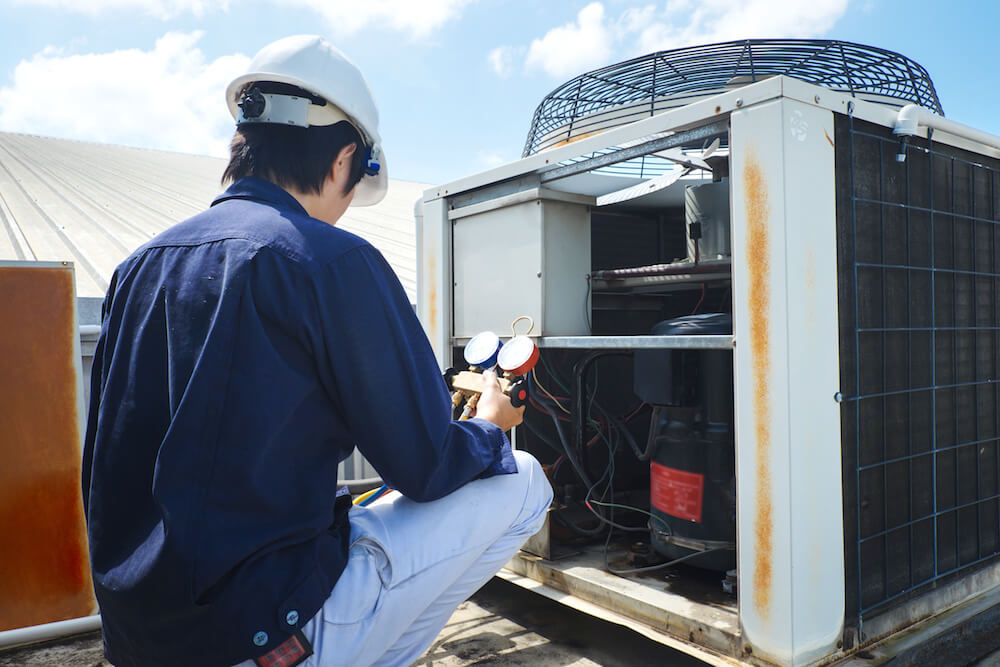
For a business in the Temecula Valley, climate control is not a luxury, it is part of staying open. When a rooftop unit fails during a September heat wave, customers walk out, employees struggle, and inventory or equipment can be at risk. Commercial HVAC systems work harder and carry higher stakes than residential ones, which is why a proactive approach to service matters so much for local owners and property managers.
From retail storefronts in Temecula to offices in Murrieta and light-industrial spaces in Menifee, every commercial building has its own comfort and efficiency challenges. Understanding how commercial systems differ from home units, and what keeps them running, helps you protect both your budget and your reputation.
Why Commercial Systems Are Different
Commercial HVAC typically means larger rooftop units, packaged systems, or multiple zones serving very different spaces under one roof. These systems handle heavier loads, run longer hours, and must balance comfort across areas with different occupancy, from a crowded sales floor to a quiet back office. They also involve code and safety considerations that a home system does not, so service requires technicians comfortable with commercial equipment and the demands of a working business.
The Real Cost of Downtime
When a commercial system goes down, the cost is rarely just the repair. It includes lost sales, uncomfortable customers, spoiled goods, and employees who cannot work effectively. A single emergency failure on a hot afternoon can cost far more than a year of preventive maintenance. That math is why smart operators treat HVAC as infrastructure to be maintained on a schedule rather than a machine to be ignored until it breaks.
Scheduling Around Your Business
Good commercial service works around your hours, handling inspections and tune-ups before opening or after closing so your operation is not disrupted. A planned maintenance schedule keeps small issues from becoming the surprise breakdown that shuts you down at the worst possible moment.
Efficiency Is a Bottom-Line Issue
Commercial energy bills are significant, and an inefficient HVAC system quietly drains profit month after month. Clean coils, sealed ducts, correct refrigerant charge, and smart controls all keep energy use in check. The ENERGY STAR for buildings program shows that proactive maintenance and efficiency upgrades deliver measurable savings on commercial utility costs, which flow straight to your bottom line over a long cooling season like ours.
Planning for Replacement and Upgrades
Commercial equipment does not last forever, and waiting for total failure is the most expensive way to replace it. Rooftop units typically serve 15 to 20 years, and efficiency drops noticeably in the final stretch. Planning ahead lets you budget for replacement, take advantage of high-efficiency models and available rebates, and schedule the work during a slow season rather than scrambling after a summer breakdown. Modern controls and smart thermostats can also be added to existing systems to trim runtime and give you visibility into how each zone performs, turning your HVAC from an unpredictable expense into a managed, planned part of your operating budget.
Balancing Comfort Across Every Space
Commercial systems often serve spaces with very different needs under one roof, and balancing them is its own skill. A server room, a sunlit storefront, and a quiet back office each place different demands on the same equipment, and a technician experienced with commercial zoning can fine-tune dampers and controls so no area is sacrificed for another. That balance keeps both customers and employees comfortable while avoiding the wasteful over-conditioning that quietly inflates commercial energy costs.
Frequently Asked Questions
How often should a commercial HVAC system be serviced?
Most commercial systems benefit from service two to four times per year because they run longer and harder than residential units. High-use businesses like restaurants often need more frequent attention. We tailor a schedule to your equipment and hours.
Can you service our system without disrupting business?
Yes. We schedule commercial maintenance around your operating hours, working early, late, or during slow periods so your customers and staff are not affected while we keep your system in top shape.
Is it better to repair or replace an aging rooftop unit?
It depends on the unit’s age, efficiency, and repair history. We provide honest assessments, and when replacement makes financial sense we explain the energy savings so you can make a clear, numbers-based decision.
Your Temecula Valley Commercial HVAC Experts
Keep your business comfortable, efficient, and open. Third Gen HVAC serves Temecula Valley businesses with dependable commercial service and honest advice. Explore our commercial HVAC services and contact us to set up a plan. As a highly reviewed local company that stays current with the industry through ACHR News, we treat your business like our own.