
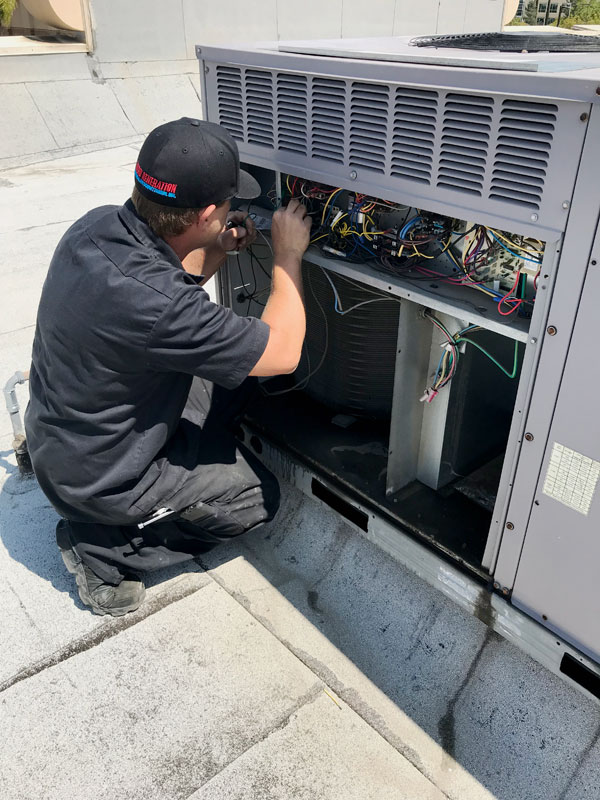
In the Temecula Valley, air conditioning isn’t a luxury; it is a life support system. When July and August roll around and temperatures consistently flirt with triple digits, your AC unit becomes the hardest-working appliance in your home. However, this comfort comes at a price. For many homeowners, opening the electric bill in late summer creates a unique kind of dread. If your unit is more than 10 years old, you are likely paying a “inefficiency tax” every month without realizing it.
The HVAC industry has recently undergone a major shift in how efficiency is measured, moving from SEER (Seasonal Energy Efficiency Ratio) to SEER2. This isn’t just a marketing buzzword; it’s a new federal standard that better reflects real-world conditions. Understanding this rating is crucial if you are considering replacing your system. A higher SEER2 rating means the unit uses less electricity to produce the same amount of cooling. In our intense desert climate, upgrading from a standard 14 SEER unit to a high-efficiency 20+ SEER2 system can slash your cooling costs by 30% to 50%, effectively paying for itself over the life of the system.
The Magic of Inverter Technology: Variable Speed vs. Single Stage
To understand where these savings come from, we have to look under the hood. Most older AC units operate on “single-stage” technology. This means the compressor is either running at 100% capacity or it is off. It’s like driving your car by flooring the gas pedal to a red light, slamming on the brakes, and then flooring it again when it turns green. It is loud, inefficient, and puts immense stress on the components.
Modern high-efficiency units often utilize inverter-driven variable speed compressors. Imagine a dimmer switch instead of an on/off switch. These intelligent systems can ramp up to 100% on the hottest afternoon, but dial down to 30% or 40% in the evening when the load is lighter. This steady, low-level operation maintains a consistent temperature without the constant, energy-draining start-stop cycle. The Department of Energy highlights that these variable-speed systems also provide superior humidity control, which is a massive bonus during our occasional monsoonal moisture spikes.
Why Size Matters (and Why Bigger Isn’t Better)
A common misconception among Temecula homeowners is that getting a bigger AC unit will cool the house faster. “If a 3-ton unit is good, a 5-ton unit must be better,” the logic goes. In reality, an oversized unit is a disaster for efficiency and comfort.
An oversized unit will cool the air too quickly, satisfying the thermostat before it has had a chance to remove humidity or cycle the air effectively. This leads to “short cycling,” where the unit turns on and off rapidly. This wears out the compressor prematurely and leaves you with a clammy, uncomfortable home and high energy bills. A professional installation starts with a “Manual J” load calculation. This is a precise mathematical formula that considers your square footage, insulation levels, window orientation, and our local climate data to determine the exact tonnage your home needs. Resources like Energy Star emphasize that proper sizing and installation quality have a bigger impact on efficiency than the brand name on the box.
Your Temecula Valley Experts for Residential Air Conditioning
Don’t let an inefficient dinosaur eat your paycheck this summer. Whether you need a precise load calculation for a new install or a tune-up to squeeze a few more years out of your current system, we have the expertise to keep you cool. Trust Third Generation HVAC to deliver honest, high-efficiency solutions. Learn more about our Residential Air Conditioning upgrades or schedule an estimate via our Contact Us page.
Questions about your air conditioning in the Temecula Valley? Call Third Gen HVAC at (951) 304-1333 or request a callback. You can also read more on our air conditioning service page.