
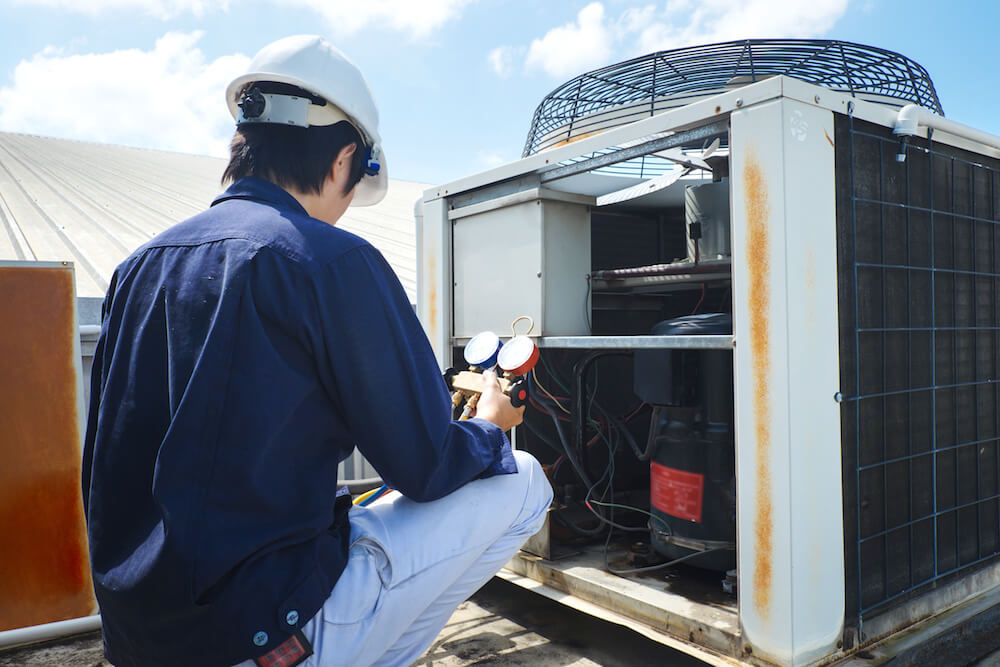
Air conditioning systems are often taken for granted—until they stop working. One of the most effective ways to prevent unexpected breakdowns, extend your system’s lifespan, and keep your energy bills manageable is through regular professional maintenance. At Third Generation HVAC, we take a detailed, proactive approach to every A/C maintenance visit to ensure your system performs at its best.
Homeowners may wonder what actually happens during an A/C maintenance service. This blog breaks down the essential steps we follow to keep your unit in top shape and explains why DIY shortcuts simply don’t compare to expert care.
Just as you would seek out reputable support or vetted specialists for an essential repair, building a foundation of trust with trusted partners is the best way to guarantee long-term quality and performance.
-
Initial System Evaluation
Every maintenance visit begins with a complete evaluation of your A/C system. We start by reviewing the unit’s performance history and listening to any concerns you may have—strange noises, uneven cooling, or energy bill spikes, for example.
This is where many problems are first detected. As Consumer Reports notes, paying attention to even minor signs of trouble can help prevent major breakdowns. Our technicians use checklists customized to your system’s make and model, ensuring a thorough review every time.
-
Cleaning and Replacing Air Filters
Dirty or clogged air filters are one of the most common reasons for reduced efficiency. Not only do they restrict airflow, but they also allow dust and allergens to circulate throughout your home. During each maintenance visit, we inspect the filters and either clean or replace them based on their condition.
Clean filters are critical not only for your HVAC system’s performance but also for your indoor air quality. According to the Environmental Protection Agency (EPA), indoor air can be up to five times more polluted than outdoor air, making filter maintenance even more essential in households with pets or allergies.
-
Coil and Condenser Cleaning
The evaporator and condenser coils are responsible for heat exchange and cooling your air. Over time, these coils can accumulate dirt and grime, reducing their effectiveness. We use specialized tools to clean these components without damaging them, restoring your system’s ability to cool efficiently.
Neglecting this step can lead to excessive strain on your unit, decreased energy efficiency, and even system failure. This is a good example of how what seems like a minor issue can snowball into a costly problem if left unchecked.
-
Refrigerant Level Check and Leak Inspection
If your system’s refrigerant levels are too low or there’s a leak, your A/C won’t cool properly—and you could end up with a frozen evaporator coil or even compressor damage. We check the refrigerant charge using manufacturer specifications and inspect for leaks along all accessible lines.
Handling refrigerant requires certification and specialized knowledge. Attempting to refill or patch leaks yourself is not only ineffective but can also be hazardous to your health and the environment.
-
Electrical Inspection and Calibration
Next, we check the system’s electrical components. This includes inspecting the wiring, tightening any loose connections, and testing capacitors, relays, and contactors. We also verify that the thermostat is calibrated correctly to avoid temperature inconsistencies.
These components play a critical role in system operation. A single loose wire can result in short cycling or total failure, and a miscalibrated thermostat can increase your energy usage without you even noticing.
-
Lubrication of Moving Parts
A/C systems have numerous moving parts that require lubrication to reduce friction and wear. During maintenance, we apply HVAC-approved lubricants to motors, fans, and bearings to prevent mechanical breakdowns and ensure smooth operation.
Failing to lubricate parts can lead to overheating, increased noise levels, and component failure—especially during the summer when the system is under the most stress.
-
Drain Line and Pan Inspection
The condensate drain line removes excess moisture generated during the cooling process. Over time, it can become clogged with dirt, algae, or mold, leading to water damage or system shutoff.
We clear the drain line and inspect the drain pan to ensure there are no cracks or signs of overflow. Catching these issues early prevents moisture problems and mold growth inside your home.
-
System Performance Testing
After all inspections and maintenance steps are complete, we run a full system test. We check airflow, measure the temperature differential between intake and output vents, and ensure the system cycles on and off correctly. This step helps us confirm that the unit is running efficiently and safely.
We also offer suggestions for improving your system’s performance based on the results of our inspection, whether it’s replacing outdated parts, upgrading your thermostat, or making simple changes like sealing duct leaks.
Professional A/C Maintenance by Third Generation HVAC in Temecula Valley
Every step in our A/C maintenance process is designed to protect your investment, prevent avoidable breakdowns, and ensure reliable performance. If you’ve been postponing a check-up or relying on guesswork to maintain your system, it’s time to bring in a professional team. Third Generation HVAC provides detailed, professional A/C maintenance services across Temecula Valley, helping homeowners enjoy consistent cooling, better air quality, and long-term energy savings.
Questions about your HVAC maintenance in the Temecula Valley? Call Third Gen HVAC at (951) 304-1333 or request a callback. You can also read more on our HVAC maintenance page.